How Video Surveillance Systems Improve Security and Safety
- globogenix
- Apr 17
- 4 min read

In today’s fast-changing world, ensuring safety and security has become a top priority for businesses, organizations, and homeowners alike. With rising concerns about theft, vandalism, and unauthorized access, Video Surveillance Systems have emerged as a powerful solution. They not only help monitor daily activities but also play a proactive role in preventing incidents before they occur. From small retail stores to large corporate offices, these technologies have become an essential part of modern security strategies.
What Are Video Surveillance Systems and How Do They Work?
Video surveillance systems, commonly known as CCTV systems, consist of cameras, recording devices, and monitoring software that work together to capture and store video footage. These systems can operate continuously or be triggered by motion detection. Modern surveillance setups often include high-definition cameras, cloud storage, and remote access through mobile or desktop applications.
The working mechanism is simple yet effective. Cameras capture real-time footage, which is then transmitted to a central recording unit or cloud server. Security personnel or authorized users can access this footage live or review recorded videos when needed. This continuous monitoring helps in maintaining visibility over important areas at all times.
How Do Video Surveillance Systems Deter Crime?
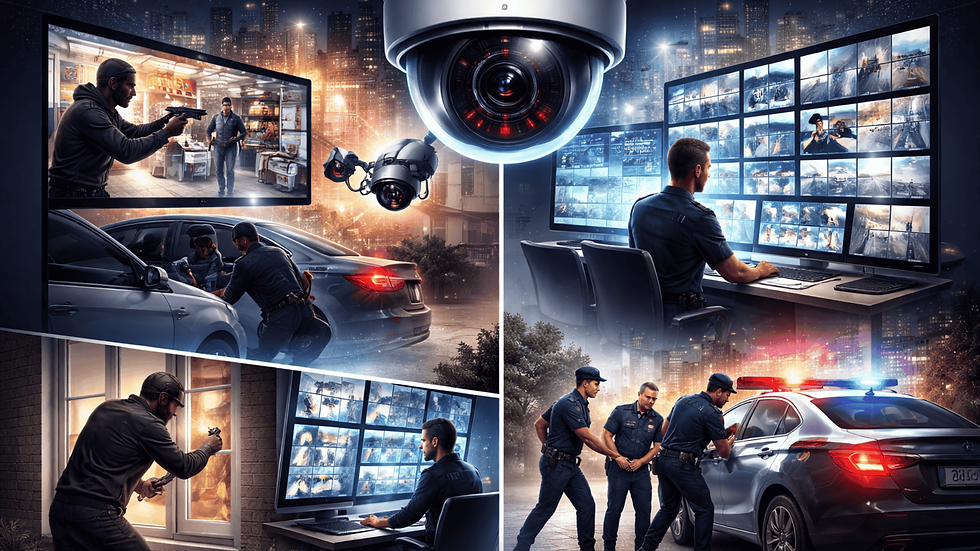
One of the most significant advantages of video surveillance systems is their ability to deter criminal activities. With the support of Ad Intelligence, the presence of visible cameras often discourages potential offenders from engaging in theft, vandalism, or trespassing. When individuals know they are being watched, they are less likely to commit unlawful acts.
Moreover, in case a crime does occur, recorded footage provides valuable evidence that can be used by law enforcement agencies. This not only helps in identifying suspects but also increases the chances of recovering stolen property and ensuring justice. As a result, surveillance systems act as both a preventive and investigative tool.
How Do These Systems Enhance Workplace Safety?
Workplace safety is a major concern for employers, especially in industries like manufacturing, construction, and logistics. Video surveillance systems help ensure that employees follow safety protocols and guidelines. Managers can monitor operations in real time and identify any unsafe practices that may lead to accidents.
Additionally, surveillance footage can be used to investigate workplace incidents, helping organizations understand what went wrong and how to prevent similar occurrences in the future. This creates a safer working environment and promotes accountability among employees.
Can Video Surveillance Improve Employee Productivity?
Yes, video surveillance can positively impact employee productivity when used responsibly. When employees are aware that their work environment is being monitored, they tend to stay focused and adhere to company policies. This does not mean constant micromanagement, but rather maintaining a level of accountability.
Furthermore, managers can use surveillance data to analyze workflow efficiency and identify bottlenecks. This insight allows businesses to optimize operations, improve time management, and ultimately boost overall productivity.
How Do Surveillance Systems Help in Emergency Situations?
In emergency situations such as fires, accidents, or security breaches, video surveillance systems play a crucial role in providing real-time information. Security teams can quickly assess the situation and take appropriate action based on live footage.
For example, in the event of a fire, cameras can help identify the source and spread of the flames, enabling faster evacuation and response. Similarly, during unauthorized access or suspicious activity, security personnel can act immediately to prevent escalation. This rapid response capability significantly enhances overall safety.
What Role Do Video Surveillance Systems Play in Access Control?
Video surveillance systems often work in conjunction with access control systems to strengthen security. Access control ensures that only authorized individuals can enter specific areas, while surveillance cameras monitor and record all entry and exit activities.
This combination provides a comprehensive security solution. If any unauthorized access occurs, recorded footage can be reviewed to identify the individual responsible. It also helps in maintaining detailed records of who accessed certain areas and at what time, which is particularly useful in sensitive environments like data centers and research facilities.
How Do Modern Surveillance Technologies Enhance Security?

Advancements in technology have significantly improved the capabilities of video surveillance systems, while competitive analysis helps organizations stay ahead by adopting smarter features like motion detection, facial recognition, and artificial intelligence for efficient monitoring.
AI-powered surveillance systems can automatically detect unusual behavior, such as loitering or sudden movements, and send alerts to security personnel. Cloud-based storage ensures that footage is सुरक्षित and easily accessible from anywhere. These innovations make surveillance systems more reliable and effective than ever before.
Are Video Surveillance Systems Suitable for Homes?
Video surveillance is no longer limited to businesses and large organizations. Homeowners are increasingly adopting these systems to protect their property and loved ones. Modern home surveillance systems are user-friendly, affordable, and can be easily controlled through smartphones.
From monitoring front doors to keeping an eye on children and elderly family members, these systems provide peace of mind. They also allow homeowners to receive instant notifications in case of suspicious activity, ensuring timely action.
What Are the Privacy Considerations of Using Surveillance Systems?
While video surveillance offers numerous benefits, it is important to address privacy concerns. Organizations must ensure that surveillance is conducted ethically and in compliance with local laws and regulations. Cameras should be placed in appropriate locations and not in areas where individuals expect privacy, such as restrooms or changing rooms.
Clear communication with employees and stakeholders about the purpose of surveillance can help build trust. When used responsibly, surveillance systems can balance security needs with individual privacy rights.
You can also watch: Globussoft|Transforming Businesses with AI-Powered Solutions & Next-Gen Technology
Conclusion
Video surveillance systems have become an indispensable tool for improving security and safety across various environments. From deterring crime and enhancing workplace safety to enabling quick responses during emergencies, these systems offer a wide range of benefits. With advancements in technology, surveillance solutions are becoming smarter, more efficient, and accessible to everyone.
However, it is essential to implement these systems responsibly, keeping privacy and ethical considerations in mind. When used correctly, video surveillance not only protects assets but also creates a safer and more secure environment for individuals and organizations alike.
FAQs
1. Are video surveillance systems expensive to install?
The cost varies depending on the system type and features, but there are affordable options available for both homes and businesses.
2. Can I access my surveillance cameras remotely?
Yes, most modern systems allow remote access through mobile apps or web platforms for real-time monitoring.
3. Do surveillance cameras work at night?
Many cameras come with night vision or infrared capabilities, enabling clear recording even in low-light conditions.
Comments